
When you hear “depreciation report,” you may think only of tax filings or aging assets. But in the world of real estate appraisals, a depreciation report is a powerful tool to understand how your building’s useful life is consumed, how obsolescence can sneak in, and how that affects value—and ultimately your risk. At Guardian Insurance Appraisals we help property owners and insurers decode depreciation so they make informed decisions. This blog breaks down what depreciation means in building valuations, how it’s calculated, and how it impacts both market value and insurance replacement cost.
What is depreciation in real estate/appraisal terms?
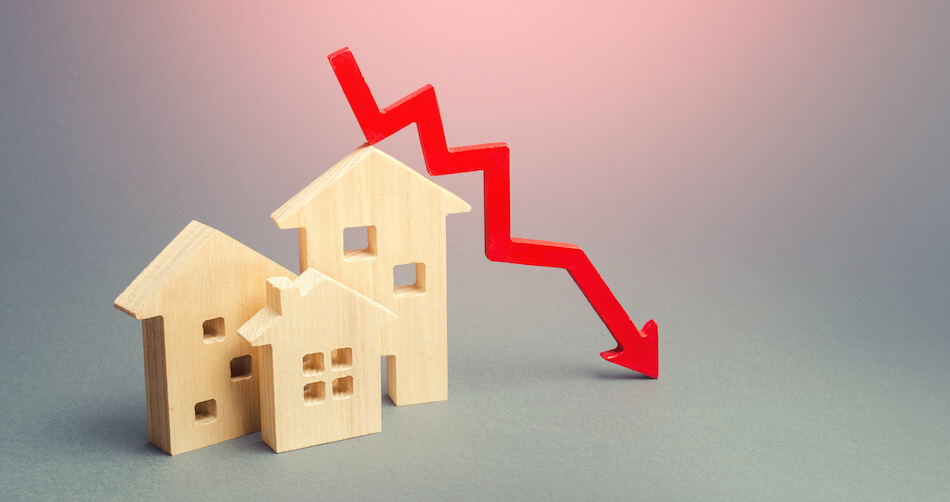
Depreciation refers to the loss in value from a building improvement due to physical wear & tear, functional obsolescence (e.g., outdated design or layout), or external factors (e.g., neighborhood decline). Appraisers quantify this depreciation to adjust replacement cost or cost approach valuations.
Why you need a depreciation report
Helps lenders, insurers, and property owners understand the remaining economic life of the building. For insurance: ensures you’re aware of age/condition issues that might increase costs or affect coverage. For real estate: a depreciation report can help when you’re budgeting for major capital expenditures, renovations, or repositioning the asset. It adds transparency and defensible data if you need to negotiate coverage or financing.
How depreciation is calculated (step by step)
– Determine replacement or reproduction cost of the building (eg cost to rebuild new).
– Determine effective age of improvements and estimate remaining economic life.
– Apply age-life / other depreciation methods to get a depreciation percentage.
– Apply that to cost, then add land value if needed to arrive at final value.
Example: A 15-year-old building, total economic life estimate of 60 years → remaining life ~ 45 yrs → depreciation ~25%.
Note: Depreciation isn’t always straight-line; other methods may apply depending on improvements, condition, market.
Real-world red flags & how depreciation affects value
- Major systems (roof, HVAC, elevators) near end of life? That increases functional obsolescence.
- Upgrades neglected? Interiors dated or layout inefficient? Depreciation ticks up.
- Neighborhood decline or zoning changes? External obsolescence.
Impact: Lower value → may affect sale price, insurance premium, coverage limit, or lender willingness.
What you should do
- Request a depreciation report if you: own a commercial or specialized property; have older building; are planning major renovations; suspect your premiums or coverage are too high/too low.
- Use the depreciation data to budget for capital improvements and schedule them proactively.
- Align insurance and appraisal reporting: ensure any depreciation findings are communicated to your insurer or risk manager.
- At Guardian Insurance Appraisals we can provide you with a clear, detailed depreciation report, tailored to your region and property type.
Conclusion
A depreciation report isn’t just a “nice to have.” It’s a strategic document that gives you control and clarity. Whether you’re insuring a property, seeking financing, or planning for major repairs, knowing how much life remains in your building helps you plan and protect.
Ready to understand your building’s depreciation and remaining economic life? Contact Guardian Insurance Appraisals today for a detailed depreciation report—and let’s build your roadmap for property protection and value optimization.